Surprising fact: companies with structured reviews cut turnover by 14% and 69% of staff say they would work harder with more recognition.
We define an employee evaluation as the assessment of a person’s job performance over a set period, often tied to the anniversary or the calendar year. This guide helps a company set clear, measurable standards and communicate expectations to employees and employers alike.
Our approach breaks the process into simple steps: set goals, collect information, compare results, hold a constructive discussion, and take action. We stress fair timing and flag budget pitfalls when raises tie to anniversary dates.
We preview how a repeatable assessment improves performance, retention, and development. Later sections connect reviews to pay and growth while keeping a people-first view and local legal context for Colombia.
Key Takeaways
- Structured reviews reduce turnover and boost engagement.
- Clear, measurable goals make assessments fair and useful.
- Timing and budgets matter when linking raises to anniversaries.
- Accurate documentation keeps decisions defensible and transparent.
- Performance management works best as a continuous process.
Why employee evaluation matters in Colombia right now
As markets change, structured feedback becomes a practical tool to steer performance.
Aligning performance with business goals and local market realities
We see two main reasons this is urgent. First, clear reviews connect individual work to company goals. Second, they help managers make faster, fair decisions about pay and promotion.
Colombian markets value relationships and trust. Formality and respectful tone matter. Yet warmth and regular check-ins build belonging in a team-focused environment.
What Colombian employers and employees expect from reviews
Both sides want clarity. Employers need reliable data to guide decisions. Employees want recognition, clear next steps, and fair job-related criteria.
- Transparent timelines reduce anxiety and increase understanding.
- Structured feedback limits ambiguity where titles matter.
- Balanced praise and development reinforce trust and future goals.
| Stakeholder | Primary expectations | Practical outcome |
|---|---|---|
| Employers | Better decision-making, clearer goals | Faster promotions, defensible pay choices |
| Employees | Recognition, development, role clarity | Higher engagement, reduced turnover |
| Managers | Prepared conversations, actionable plans | Respect for time, stronger team alignment |
Next: we outline legal guardrails and data rules that support these expectations.
Legal guardrails: compliance essentials for evaluations and data in Colombia
Before we gather information, we define legal limits and business need. This step protects people and reduces risks for our organization.
Habeas Data Law basics: consent, purpose, and data minimization
We require explicit written consent to collect personal data. That consent must state the specific purpose and limit the types of information we store.
Minimization means we keep only what is necessary for the job-related process and no more.
Role of the Superintendencia de Industria y Comercio
The SIC enforces compliance and issues guidance on risk management and incident handling. We document lawful bases, retain consent records, and apply access controls so the role of the regulator is clear in our procedures.
What to avoid: sensitive categories and improper checks
- Exclude sensitive personal types (religion, sexual orientation) from decision criteria.
- Do not run credit checks or other financial probes without explicit consent and job relevance.
- Avoid non-job-related or discriminatory information that could taint decisions.
Practical steps: publish transparency notices, secure files, set retention schedules, and train managers so our compliance builds trust with employees and stakeholders.
Setting performance standards that are clear, measurable, and job-aligned
Start with the job description and shape standards that make success visible. We convert duties into clear indicators so everyone knows the target. Simple language and concrete examples reduce confusion.
Translating job descriptions into objective performance indicators
We map each responsibility to a specific metric. That includes quantitative KPIs like timeliness and output, and qualitative checks such as teamwork and quality of work.
Defining standards for results, behaviors, and values
We set distinct standards for results, behaviors, and values so ratings reflect the whole role. Results capture outputs and KPIs. Behaviors measure communication and collaboration. Values reinforce ethics and customer focus.
- Make each standard specific, measurable, and realistic so employees see the link to company goals.
- Tailor indicators by job family and seniority to avoid one-size-fits-all rules.
- Define thresholds (meets, exceeds, below) and the evidence required for fair comparisons.
Collecting the right data: sources, evidence, and context
We build a truthful picture by triangulating facts, metrics, and peer perspectives. Choosing the right sources matters more than fancy tools. Wrong criteria give misleading outcomes, so we pick evidence that ties directly to the job and the local work environment.
Balanced inputs: observation, reports, KPIs, peer and manager feedback
We combine manager observation, KPI dashboards, reports, and multi-rater input to form a reliable view of performance. This mix reduces bias and surfaces collaboration that a single reviewer may miss.
Documenting achievements and outcomes throughout the year
We encourage continuous notes on achievements and context, not just year-end summaries. Short impact notes, metric snapshots, and dated commitments make assessment fairer.
- Prioritize job-relevant criteria so the assessment reflects real value.
- Capture context—scope, resources, and constraints—when recording results.
- Standardize evidence formats and store them in a secure system aligned with data protection.
- Separate facts from opinions and link each note to the relevant standard or goal.
| Source | What it shows | Use |
|---|---|---|
| Manager observation | Day-to-day work, behavior | Context and trends |
| KPI reports | Outputs and timelines | Objective comparison |
| Peer feedback | Collaboration and impact | Team contributions |
How we run an effective evaluation process, step by step
We run a consistent process that turns standards and data into clear, fair outcomes. This short guide shows each step we follow so communication stays timely and results are measurable.
Communicate expectations early and often
We confirm standards and goals with employees at the start of the cycle. Then we share milestones, evidence formats, and checkpoints so the job is clear.
Measure actual performance against predefined standards
We collect observations, KPI reports, and peer feedback. We focus on relevant evidence rather than fancy tools to judge work fairly.
Compare, calibrate, and prepare a constructive discussion
We document strengths and gaps, then calibrate ratings across managers to reduce bias. Preparation includes a short agenda and time for two-way feedback.
Agree on action plans: immediate fixes and root-cause improvements
We close each session with an action plan that lists immediate corrective steps and longer-term fixes, owners, and dates. Follow-ups and measurable checkpoints lock progress into the company process.
- Coach managers to deliver feedback with empathy and evidence.
- Track completion and link progress to the next review.
Culture and communication: making feedback work in Colombian workplaces

Creating a culture where feedback feels safe and useful starts with how we speak and listen. We shape conversations to fit local norms that value respectful formality and strong relationships.
Building trust with respectful, two-way conversations
We design feedback sessions that respect hierarchy while inviting two-way communication. This builds trust and encourages open dialogue without undermining authority.
Managers use specific examples, avoid vague language, and summarize key points. We ask open questions and listen actively to validate concerns.
Balancing formality and warmth to strengthen team dynamics
We start with a clear agenda and formal objectives, then allow space for rapport so employees feel safe to share. Small gestures—proper greetings, punctuality, and correct titles—signal respect.
- Encourage self-assessments to surface modest achievements.
- Document action items in clear language to reduce misinterpretation.
- Recognize team contributions publicly and privately to sustain engagement.
Result: a work environment where communication and culture reinforce performance, belonging, and durable trust.
employee evaluation colombia: linking performance to pay, promotions, and development
We convert performance ratings into clear pay and career moves that staff can trust. Ratings should map to salary adjustments, bonuses, and advancement using transparent rules. We avoid surprise hikes tied only to anniversaries by aligning pay-for-performance with company budget windows.
From ratings to decisions: salary adjustments, bonuses, and advancement
We define rating bands and the exact salary percent or bonus ranges that follow each band. This makes compensation decisions predictable and defendable.
We document rationales so managers explain why a raise, bonus, or promotion matches the results and business needs.
Turning insights into training, coaching, and career paths
We turn review findings into tailored training and coaching plans. These include mentoring, stretch projects, and certifications as benefits beyond pay.
- Map ratings to specific training modules and timelines.
- Set measurable development goals and mid-cycle check-ins.
- Recognize achievements to signal readiness for broader roles.
| Rating band | Typical salary action | Development benefits |
|---|---|---|
| Exceeds expectations | 6–10% increase; eligibility for bonuses | Leadership projects, certification support |
| Meets expectations | 2–5% increase; prorated bonus | Role-specific training, coaching sessions |
| Below expectations | Performance plan; limited or no raise | Targeted coaching, 90-day improvement plan |
We also share decisions and next steps promptly and professionally. For guidance on constructive review practices, see our summary of research on review harm and benefits at performance review outcomes.
Cadence and systems: annual reviews versus continuous performance management
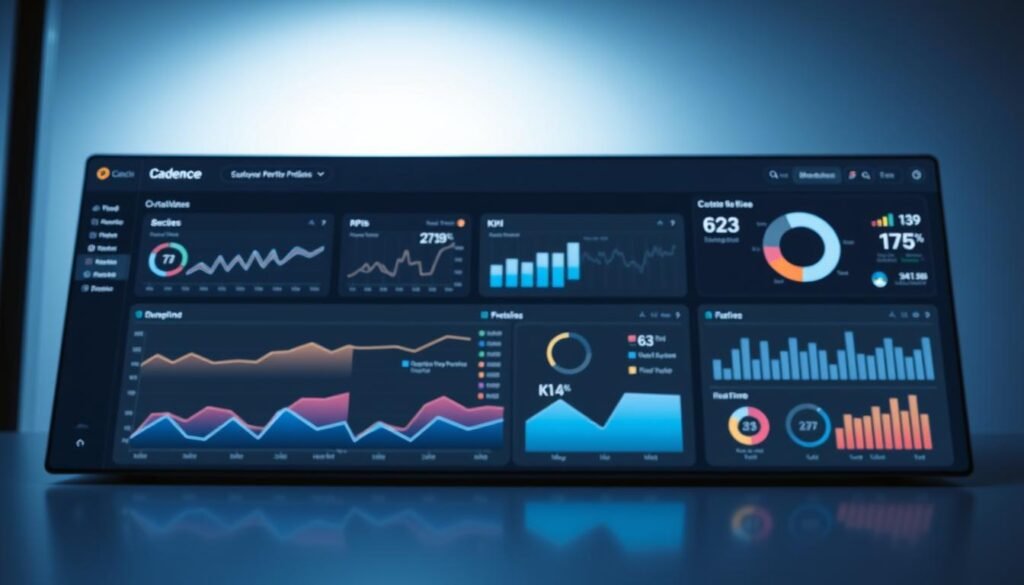
A clear rhythm of check-ins keeps work aligned and reduces surprise at year-end.
Annual reviews provide structure at the close of a year, but most HR leaders (about 90%) prefer a continuous approach. We combine both: a planning, mid-year, and year-end cycle with light, frequent touchpoints to keep goals visible.
Reducing turnover with regular recognition and check-ins
Companies that use structured reviews cut turnover by 14%, and 69% of staff say more recognition would boost effort. We build monthly recognition moments and quarterly check-ins so praise and course-correction happen in real time.
Structuring cycles, OKRs, and dashboards for visibility
We align OKRs to team and individual goals and feed progress into a single dashboard. This system triggers timely feedback, supports 360-degree input for collaborative roles, and keeps business leaders aware of trends and risk.
- Standardize cycles (planning, mid-year, year-end) plus lightweight monthly touchpoints.
- Map check-in frequency to role and job load so the system fits the environment.
- Document actions for light compliance and require short written summaries after each meeting.
Common pitfalls that distort results—and how we avoid them
Small process gaps can produce big distortions in how work gets judged. We spot the typical issues quickly and apply simple fixes that preserve fairness and trust.
Recency bias, poor preparation, and one-way feedback
Recency bias happens when recent events outweigh earlier months. We require year-round notes and mid-cycle checkpoints so the full assessment period is visible.
Poor preparation leads to rushed conversations. We give managers checklists, evidence packets, and scheduled prep time before every review.
One-way feedback leaves gaps. We use guided prompts so employees share achievements, obstacles, and context.
No follow-up: why action plans and timelines matter
Action without follow-up loses impact. We insist on clear action plans with owners and dates, then track completion in our system.
That drives accountability, raises productivity, and improves the work environment over time.
| Pitfall | Effect | Our fix |
|---|---|---|
| Recency bias | Skewed ratings | Year-round documentation, mid-cycle checkpoints |
| Poor preparation | Rushed, vague feedback | Manager checklists and evidence packets |
| No follow-up | Lost improvement | Action plans with owners, tracked timelines |
| Rater errors (halo/leniency) | Inconsistent outcomes | Calibration sessions and rater training |
Putting it all together for stronger results across your organization
To achieve real change, we convert insights into concrete actions that benefit the whole organization.
Clear standards, balanced evidence, and regular communication make assessments fair and repeatable. This guide helps leaders link results to salary, bonuses, and training so benefits are visible and just.
Checklist: standards set, cadence planned, documentation secure, compliance confirmed, and follow-up actions assigned.
Ongoing reviewer training and rolled-up reporting protect quality, reduce bias, and give employers credible trends for workforce planning.
Implement this framework now to strengthen trust, improve performance across the company, and sustain a healthier workplace for workers.